
The Prop Nobody Notices: Alcohol’s Quiet Starring Role On Screen
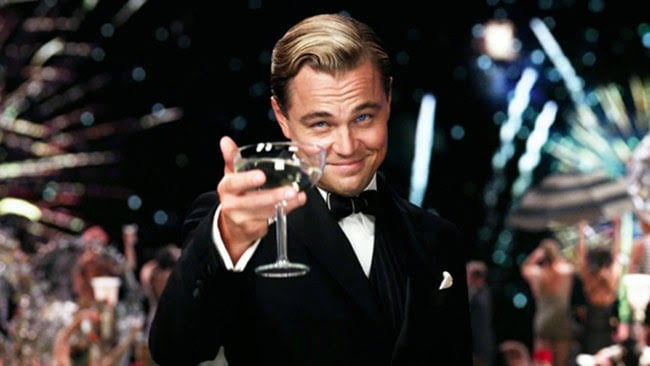
Once you start noticing it, you cannot stop. Turn on almost any show and count how often a character has a drink in their hand. The detective nursing whiskey while staring at a case board. The friends raising glasses in the bar they somehow always have time for. The exhausted parent pouring wine the moment the kids are asleep. Alcohol is one of the most constant props in film and television, and almost none of it is ever remarked upon. It is simply there, the visual shorthand for stress, celebration, sophistication, grief, and rest, all at once.
That ubiquity is worth paying attention to, because the stories we watch quietly teach us how to live.
The Invisible Prop
Screenwriters lean on the drink because it is efficient. A glass of whiskey tells you a character is world weary before he says a word. A popped cork signals celebration. A lone figure at a bar communicates heartbreak without a line of dialogue. Wine at dinner reads as adult, in control, arrived. The bottle does a lot of storytelling work, and it does it so smoothly that we stop seeing it as a choice the writers made. It becomes wallpaper.
The trouble with wallpaper is that it shapes the room without anyone noticing. When every emotional beat on screen is punctuated by a drink, the underlying message sinks in without argument. Stressed? Pour one. Celebrating? Pour one. Sad, bored, relieved, romantic, victorious, defeated? There is a drink for each, and the camera never once suggests there might be another way to feel those things.
Screens Teach Us the Script
We like to think we are immune to this, that we can tell fiction from instruction. But we absorb scripts from the stories around us, especially the ones we see repeated thousands of times. Long before most people take their first drink, they have watched fictional characters model exactly when and why one is called for. By the time real life presents the same cues, the script is already written.
The scripts even come tailored. Tough men get the neat whiskey, a symbol of control under pressure. Overwhelmed women get the oversized glass of wine, framed as a well earned reward and a small act of rebellion. The imagery differs, but the lesson underneath is identical. Whatever you are feeling, there is a drink that matches it, and reaching for that drink is simply what grown ups do.
So the after work pour, the celebratory bottle, the glass to take the edge off a hard day, none of these feel like decisions. They feel like the natural thing to do, because we have watched the natural thing to do performed for us our entire lives. The screen handed us a set of defaults, and defaults are powerful precisely because we rarely question them.
The Loop, On Screen and Off
There is a neat parallel between how these habits work in fiction and how they work in us. Behavior runs on loops. A cue triggers a routine that delivers a reward, and the research on how habits form shows most of it happens below conscious thought. On screen, the cue is a plot beat and the pour is the scripted response. Off screen, the cue is the end of your day and the pour is your response, learned in part from all those scripts.
Recognizing the pattern is oddly freeing. Once you can see the drink as a prop, a piece of shorthand you absorbed rather than a truth about how life works, you can start to ask whether it belongs in your own scene. These drinking habits, like a character’s signature glass, often persist simply because no one ever thought to write them differently.
Rewriting Your Own Scene
None of this is an argument that drinking on screen is a problem to be censored, or that a real glass of wine is something to feel guilty about. It is an invitation to notice, which is where every worthwhile change begins. When you catch yourself reaching for a drink out of pure reflex, it can help to ask a very screenwriter like question. Is this beat earned, or is it just the default the script always calls for?
That kind of awareness is the whole idea behind approaching alcohol moderation as a matter of attention rather than willpower. Willpower is weak at the end of a long day, but noticing costs almost nothing. Some people bring more structure to it through simple tracking, gentle techniques like alcohol hypnotherapy, or an alcohol moderation app that uses neuroscience, self reflection, and drinking hypnotherapy to help you understand the loop underneath your alcohol habits rather than fight it. Framed that way, drinking moderation is not about deprivation. It is about editing your own story with a bit more intention, keeping the scenes that genuinely add something and cutting the ones that were only ever filler.
Notice the Prop
The next time you are watching your favorite show, try counting the drinks. Notice how often they appear, how little attention anyone pays them, and how neatly they stand in for entire emotions. It is a small game, but it does something useful. It turns an invisible piece of set dressing back into a visible choice.
Then turn the same eye on your own evenings. The pour at the end of the day is a prop too, one you inherited from a thousand scenes without ever auditioning it for the role. You might decide it stays. You might decide it goes. Either way, you will have done what the best characters eventually do. You will have noticed the script you were handed, and started writing your own.
