
Gaming Broke Everybody’s Patience for Bad Apps
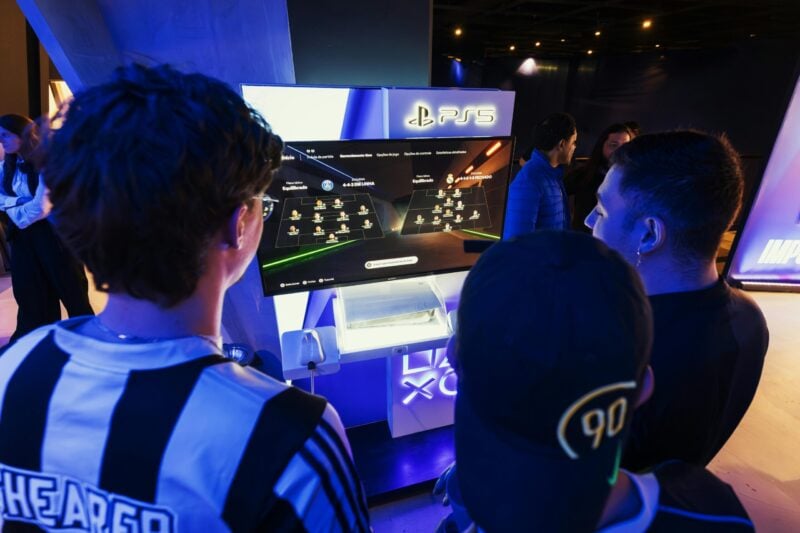
Nobody gets angry at bad menus faster than somebody raised on modern gaming. One slow-loading app, one terrible interface, one pointless popup, and suddenly the whole thing feels exhausting. Years of Steam libraries, Twitch streams, multiplayer lobbies, and battle passes trained people to expect digital entertainment to move quickly.
A lot of people can tell within minutes whether an app is going to annoy them. Menus buried under five tabs feel irritating immediately. Endless notifications feel irritating immediately. Streaming apps that somehow forget where you stopped watching should probably be declared crimes against humanity at this point.
Gaming caused a lot of that. Anybody who spent years bouncing between Steam libraries, PlayStation dashboards, Twitch streams, and multiplayer games developed pretty brutal standards for digital entertainment. The public has become accustomed to perfect personalisation and super-optimised user interfaces. Apps and platforms that cannot deliver get left behind.
Gamers Expect Entertainment To Feel Instant
Modern gaming trained people to expect movement all the time. Something always needs to unlock, refresh, level up, or react to what just happened. Older entertainment apps used to feel passive by comparison. You opened Netflix, picked a movie, watched it, then closed the app again. Modern platforms want constant interaction because gaming audiences got used to stimulation that never really stops.
That mentality now stretches into almost every entertainment app on your phone. The design behind an online casino South Africa interface looks much closer to a live-service gaming platform than an old-school casino floor. Crash games like Aviator sit beside live blackjack streams, arcade-style instant games, mobile-friendly slots, and rotating featured content built around short bursts of engagement. The whole thing feels designed for people who already understand Twitch streams and multiplayer lobbies.
Reward Systems Took Over the Internet
Gaming companies figured something out years ago: people enjoy momentum. Unlocking a cosmetic skin feels satisfying. Watching progression bars creep upward feels satisfying. Even tiny sounds inside games became part of the feedback loop. Loot drops, achievement systems, challenge tracking; all of it taps into the same instinct your brain already understands.
The internet copied gaming completely. Social media apps borrowed streak systems. Streaming platforms borrowed autoplay loops. Spotify Wrapped turned listening habits into an annual event because gaming already proved people enjoy tracking behavior and comparing it with friends.
A lot of entertainment apps now feel built around “one more round” psychology. Fortnite mastered that years ago with rotating events and constant updates. Mobile games perfected it with daily rewards and timed unlocks. Crash games ended up fitting naturally into that environment because the pacing already feels familiar to audiences raised on instant feedback.
The Best Gaming Moments Still Follow the Same Formula
Gaming audiences still chase the same emotional highs they chased twenty years ago. Landing the perfect headshot still feels good. Winning a close multiplayer match still feels good. Pulling a rare item from a loot box still feels good. The technology evolved; the payoff stayed almost identical.
The most satisfying moments in video gaming come down to tension followed by payoff. Players remember moments where anticipation builds for a few seconds before the brain gets rewarded. Modern entertainment apps use exactly the same rhythm now.
That probably explains why people get irrationally angry at bad interfaces. Clumsy menus break the rhythm. Slow loading breaks the rhythm. Nobody wants to wrestle software after work.
Gaming Culture Became Completely Normal
Gaming stopped being niche a long time ago, even though some people still talk about it like teenagers are hiding in dark bedrooms eating Doritos. The average video game player in America is now 36 years old, and more than 205 million Americans play games regularly.
That changes the way entertainment platforms behave because gaming habits now belong to adults with jobs, kids, and very little patience. Plenty of people grew up with PlayStations sitting under the television permanently. Those habits followed them into adulthood. Entertainment now competes against gaming standards whether companies realize it or not.
The ESA’s 2025 industry report also found that gaming increasingly overlaps with music, sports, film, and online communities. More than half of players who participate in real-world sports also play digital versions regularly.
Everything Online Now Feels Like a Live-Service Game
The strange thing about modern internet culture is that almost every entertainment platform now speaks the same language. Twitch streams, sports apps, multiplayer shooters, TikTok feeds, Discord servers; they all chase the same basic idea. Keep people interacting. Keep something happening on-screen. Keep the feedback loop moving.
Older websites used to feel static. You opened them, read something, then left. Modern entertainment platforms feel restless instead. Something flashes, updates, reacts, unlocks, or refreshes every few seconds because gaming audiences got used to digital spaces feeling alive constantly.
Nobody really talks about “gaming culture” separately anymore because gaming culture swallowed the internet years ago.
