
Why Empty Corridors Are Scarier Than Bigger Monsters in Horror Games
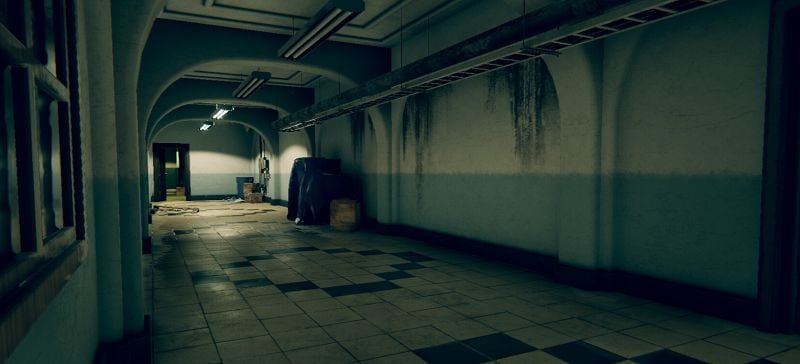
Bigger is sometimes better, but that oft-repeated phrase doesn’t apply universally, and there are certainly some contexts in which a less-is-more approach goes much further. Horror games are the perfect example of this, as it’s not the size of the monster or the number of enemies that makes them scary. In fact, the most frightening titles in the genre tend to be those designed with restraint, emphasizing the power that empty space has to create discomfort.
Fear of the Unknown
Horror thrives when audiences don’t know what the threat actually is. As soon as the monster is revealed, a little of the terror ebbs away, because we can start to piece together how to tackle it. So as long as there’s nothing but an empty corridor and the vague threat of something dangerous stalking it, out of sight but ever-present, we’ll be that much more tense.
The Resident Evil 2 remake does this well. We don’t get introduced to the Tyrant, otherwise known as Mr X., until a few hours into the game. And even when he starts pursuing us through the halls of Raccoon City’s police HQ, he’s not overused. Moments of brief terror intersperse longer periods of apparent calm, and we don’t really know much about his origins or intent until the game’s closing moments.
Of course, some horror games use the unknown as an exciting attraction as opposed to something to be avoided. In the Big Bass Halloween slot games, for instance, the base-game theming builds anticipation for the bonus rounds, which are few and far between. Here, the unknown element increases player engagement.
Creating Claustrophobia
In the early days of video games, corridors were commonly used because rendering larger spaces was just that much more difficult given the hardware limitations of the time. Now, we can have entire living, breathing worlds created before our eyes. But when there are endless places to run and hide, there’s no tension.
So, horror games use empty corridors to funnel players through set paths with limited options for escape. Whether that’s the gore-spattered corridors of Dead Space or the strange domestic spaces of Phasmophobia, enclosed corridors make us feel trapped.
Avoiding Desensitization
The Doom franchise is full of more demons and monsters than most other horror games put together, but that doesn’t make it particularly scary. The problem here is over-exposure. Seeing a certain enemy in Doom: The Dark Ages for the first time might be a little scary and tense, but once you’ve blasted apart your thousandth Cacodemon, you’ll be totally desensitized to their threat.
Putting the emphasis on building tension through level design, with empty corridors and unsettling, often liminal spaces, while keeping the actual monsters to a minimum is what creates true fear. It’s something the Amnesia series did well, and a trope that continues to be deployed in horror games to this day. So, the reason why an absence of enemies is more terrifying than a horde of them all comes down to innate human psychology.
